Mimosa Hostilis Root Bark: A Information to Origins and Utilizes
Wiki Article
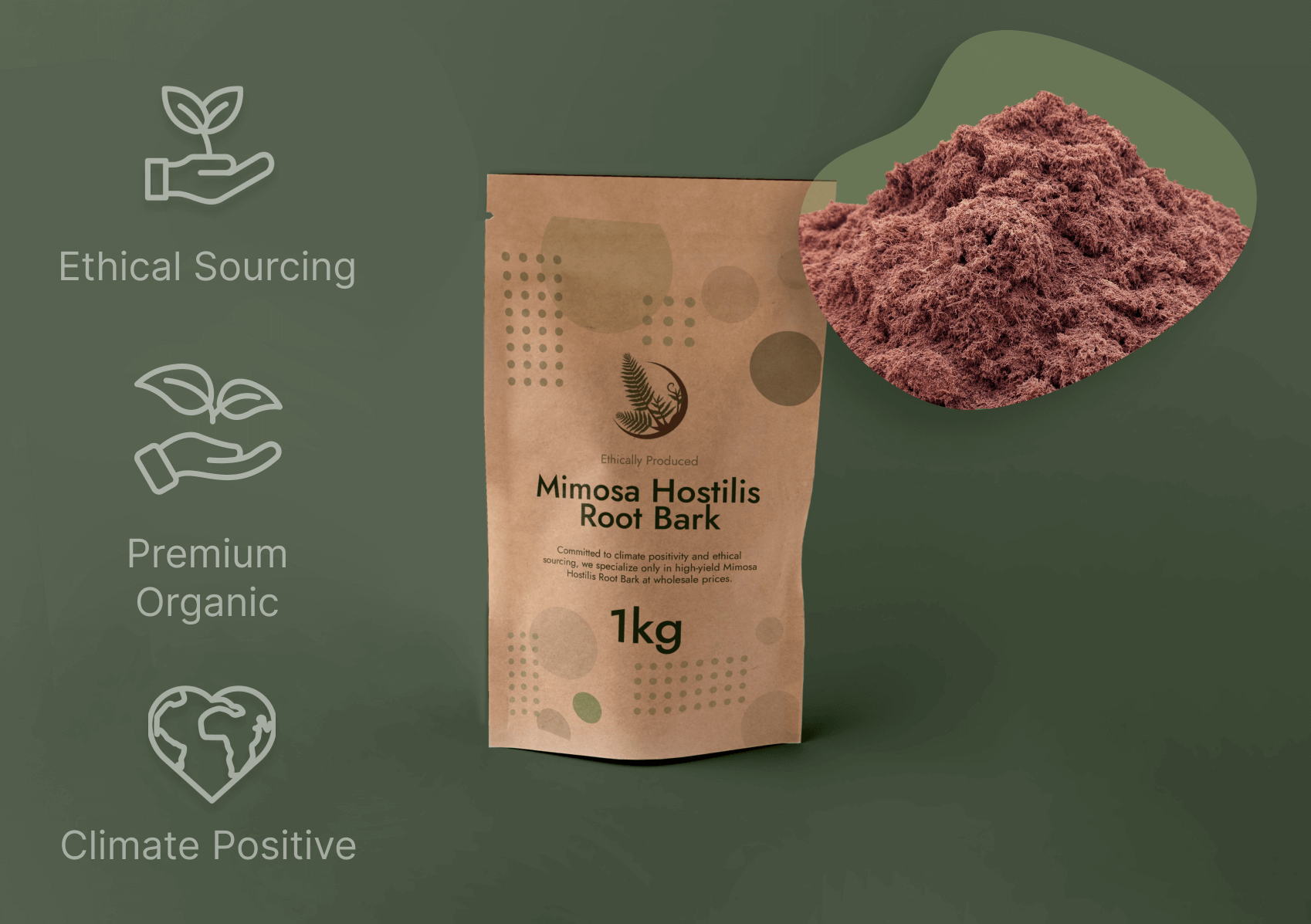
Mimosa Hostilis Root Bark retains a big area in conventional procedures and modern botanical purposes. This post explores the traits, origins, and customary concerns bordering this impressive plant product, with a specific focus on the prized Brazillian Mimosa Hostilis Root Barks.
What's Mimosa Hostilis Root Bark?
Mimosa Hostilis, scientifically called Mimosa tenuiflora, is really a perennial tree indigenous to your northeastern area of Brazil and aspects of Mexico. The basis bark of this tree has been utilized for centuries by indigenous communities for numerous simple and standard functions. The internal root bark is made up of notable concentrations of tannins, alkaloids, together with other phytochemicals that add to its distinct Qualities and purposes.
The tree itself is remarkably resilient, effective at surviving in bad soils and drought circumstances. This hardiness contributes on the strong character with the bark and its chemical profile. When harvested sustainably, the outer root bark is very carefully separated to entry the valuable interior bark, that is then dried and well prepared for use.
Brazilian Mimosa Hostilis Root Bark: The Gold Regular
When speaking about good quality in Mimosa Hostilis items, the Brazillian Mimosa Hostilis Root Barks are typically thought of top-quality within the botanical market. Numerous things contribute to this track record:
Ideal Escalating Situations
The precise soil composition, weather, and ecosystem of Brazil's northeastern region create suitable problems for Mimosa tenuiflora to create its whole chemical likely. The mineral-abundant soils and individual pattern of rainfall and daylight In this particular spot show up to enhance the focus of Energetic compounds in the root bark.Common Harvesting Information
In locations in which Mimosa Hostilis has become used ordinarily, harvesters have formulated advanced procedures for sustainable harvesting that preserves each the tree along with the potency on the bark. This know-how, passed down through generations, ensures that the bark is gathered at the proper time of 12 months and processed applying techniques that sustain its integrity.Distinct Bodily Properties
Brazilian Mimosa Hostilis Root Bark commonly shows a abundant reddish-brown to purple internal bark having a fibrous, dense texture. The visual qualities frequently function an Preliminary indicator of high quality, with seasoned consumers recognizing the unique overall look of bark from this area.
Typical Apps and Uses
The applications of Mimosa Hostilis Root Bark span both equally conventional and modern-day contexts, although It really is important to understand the lawful status of such employs may differ by nation and jurisdiction.
Standard Craft and Apply
Indigenous communities have historically applied Mimosa Hostilis Root Bark for developing organic dyes for textiles, Together with the bark making wonderful shades of purple, burgundy, and deep brown. The tannin-loaded Qualities also created it important for leather-based tanning and various useful applications.Contemporary Botanical Exploration
Modern day desire in Mimosa Hostilis Root Bark extends to various fields of botanical exploration, notably researching its chemical composition and potential purposes. Scientists have recognized several interesting compounds inside the bark that warrant further scientific investigation.Horticultural and Agricultural Utilizes
In permaculture and sustainable agriculture, Mimosa tenuiflora is valued for a nitrogen-repairing Mimosa Hostilis Root Bark species that could improve soil quality. The bark alone, when processed, may be used as a purely natural mulch or soil Modification in certain agricultural contexts.Quality Evaluation and Identification
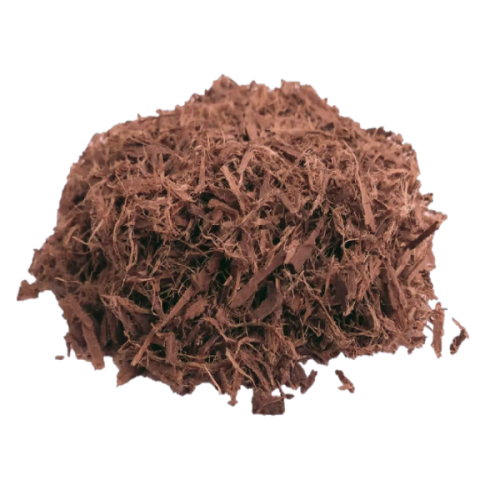
For people working with Mimosa Hostilis Root Bark, being familiar with how to assess quality is crucial. High-high quality materials, specifically authentic Brazillian Mimosa Hostilis Root Barks, usually exhibits specific traits:
The Visible overall look should really present a transparent difference concerning the outer and inner bark, with the interior bark displaying deep, lively colours. The fabric ought to have a characteristic earthy, a little bit sweet aroma, totally free from musty or moldy notes. When processed, the bark must generate a fine powder when maintaining its fibrous construction until grinding. Correctly dried bark need to be brittle although not dusty, indicating correct moisture content.
Often Asked Concerns (FAQs)
1. What's the difference between Mimosa Hostilis Root Bark from Brazil and other locations?
Brazilian Mimosa Hostilis Root Bark is mostly considered excellent because of the optimal expanding situations in northeastern Brazil, which result in increased concentrations of active compounds. The traditional harvesting methods employed in this area also lead to the general excellent and potency of the ultimate merchandise.two. How should really I retailer Mimosa Hostilis Root Bark to take care of its top quality?
Shop the bark in a very neat, darkish, and dry spot within an airtight container. Security from gentle, dampness, and Intense temperature fluctuations might help preserve the bark's chemical integrity and prevent degradation of its Lively factors.3. Is Mimosa Hostilis an endangered species?
No, Mimosa tenuiflora is just not at this time detailed as an endangered species. Actually, It is noted for its resilient progress and ability to prosper in hard situations. On the other hand, accountable harvesting practices are still important to make sure the sustainability of wild populations.4. Am i able to develop Mimosa Hostilis beyond its native habitat?
Though Mimosa tenuiflora thrives very best in its native tropical weather, it may be cultivated in equivalent environments. The tree requires properly-drained soil, lots of daylight, and defense from frost. However, the chemical profile of cultivated specimens might vary from wild-harvested Brazilian product.five. What is the lawful status of Mimosa Hostilis Root Bark?
The legal standing differs appreciably by nation and jurisdiction. In a few areas, the Uncooked bark is lawful to have, even though in Some others, precise extracts or preparations may very well be controlled. Usually exploration and adjust to local regulations and polices prior to attaining or employing any botanical compound.Comprehending Mimosa Hostilis Root Bark, notably the high quality Brazillian Mimosa Hostilis Root Barks, involves appreciation of its botanical qualities, traditional context, and proper programs. No matter if for investigate, craftsmanship, or botanical research, Mimosa Hostilis Root Bark this impressive plant materials continues to get a matter of desire throughout multiple fields, however always in just suitable legal and ethical boundaries. Report this wiki page